
Container cranes are definitely the most difficult
Patrick Diederen is an account manager for mechanical engineering at VIRO’s Echt office. Before joining VIRO in 2020, Patrick worked in crane construction. That experience prompted him to explore this market for VIRO as well.
“Crane construction is a small world. Everyone knows each other, so I quickly secured a few meetings. The first crane project for VIRO was for Rusch Crane Repair in Medemblik: calculating a crane runway.” That turned out to be the start of a rapid expansion. In less than half a year, VIRO was involved in projects for renowned gantry crane specialists like BVS, Nedcranes, and Van Haagen Kraanbouw.
Focus on Three Types of Cranes
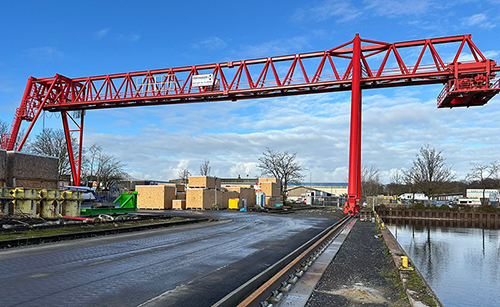
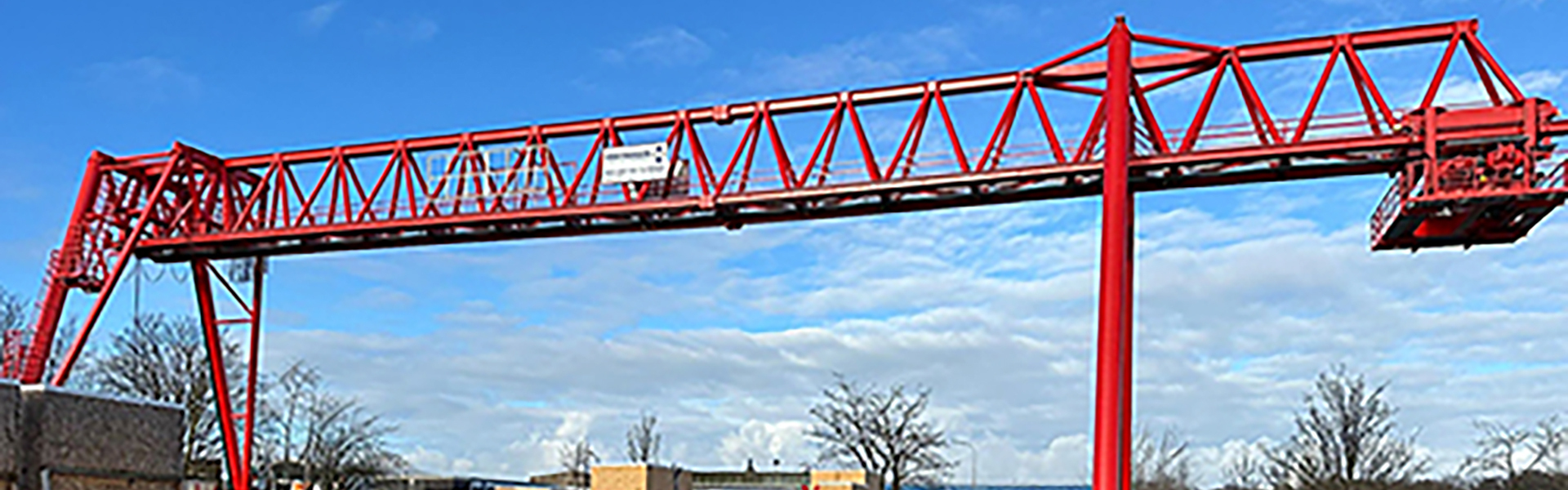
Cranes come in dozens of types and sizes. In principle, VIRO could contribute to all of them, but for now, the focus is on gantry cranes, container cranes, and hall cranes. “Our Engineering & Analysis department has delved deeply into these, including the standards specific to the crane industry. In addition to Mechanical Engineering and Engineering & Analysis, other VIRO colleagues also have an affinity for crane construction. That allowed this area to grow organically. It also helped that crane construction is somewhat different from what we were already familiar with. It brings more variety.”
Multidisciplinary Approach
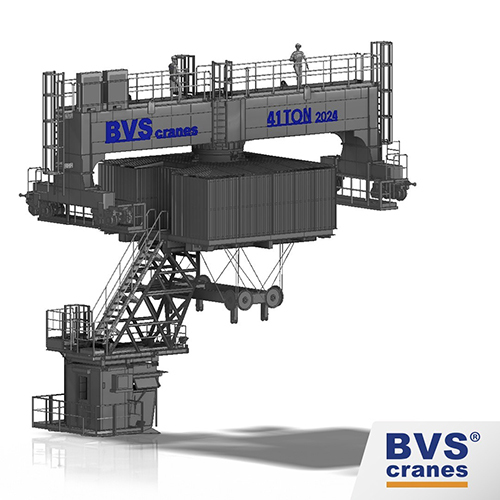
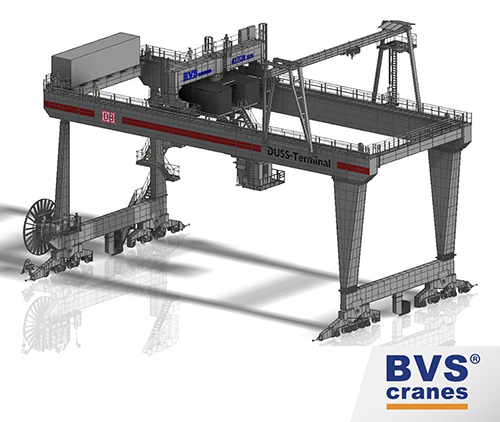
For BVS, colleagues from Engineering & Analysis performed calculations and FEM analysis for a massive 250-ton steel gantry crane; VIRO's Mechanical Engineering team handled the drawing checks. For Nedcranes, the Routing department calculated and routed the cabling for a gantry crane. Mechanical Engineering also designed the crane platforms. For Van Haagen Kraanbouw, Engineering & Analysis carried out calculations based on existing drawings. “We’re currently tendering for a project in which we’ll likely be handling mechanical engineering, electrical engineering, and control systems including software. A great multidisciplinary project, involving about eight colleagues over the course of a year. All the departments involved now have solid knowledge of crane construction.”
Containers and Complexity
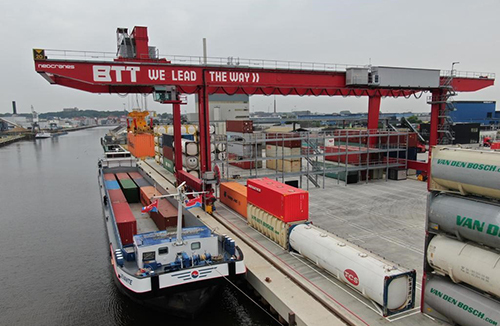
The cranes VIRO is involved with are mainly used in production, storage, and transshipment environments—for manufacturing, industrial halls, ports, and railways. “One crane builder, for example, installed a giant 1,400-ton crane with a lifting height of 125 meters. We weren’t involved in that project, but in principle, we’re capable of handling such work.” What’s been the most challenging assignment so far? “Container cranes. They’re the most difficult because you never know how the load is distributed inside a container. The weight could all be on one side, and containers can also catch the wind. All of this affects the control systems, the speeds... it’s complex stuff.”
Always a Crane Guy
“I once worked at Mennens. That’s where I caught the crane bug. When I left, my boss at the time told me, ‘once a crane guy, always a crane guy.’ He was right. Old habits die hard. Thanks to VIRO, I’m back in the crane business.”